The sense of smell is undoubtedly the most mysterious of our five senses. Unlike sight or hearing, it acts directly on our emotional brain, creating instant connections between scents and our memories, emotions, and even our physical well-being. This unique ability of the sense of smell to influence our psychological state opens up fascinating possibilities in the field of therapy.
A sense directly connected to our emotions
When an odor molecule enters our nose, it does not follow the same path as other sensory stimuli. Olfactory receptors send their signals directly to the limbic system—the seat of our emotions and memory—without passing through the prefrontal cortex. This direct connection explains why a scent can instantly transport us back to a childhood memory or change our mood in a matter of seconds.
This neurological characteristic makes the sense of smell a powerful and immediate therapeutic tool. Unlike other approaches that require conscious thought, scents act on our unconscious mind and our deep physiological mechanisms.
Aromatherapy: An Ancient Science with Modern Evidence
The therapeutic use of fragrances dates back to ancient times. The Egyptians, Greeks, and Asian civilizations were already using plant essences to heal the body and mind. Today, modern science confirms what our ancestors intuitively knew: certain aromatic molecules possess measurable psychoactive properties.
Modern aromatherapy recognizes several mechanisms of action. Essential oils can act through direct inhalation, affecting the central nervous system, or through topical application, allowing for systemic absorption. Each route of administration offers specific therapeutic possibilities.
Fragrances that relieve anxiety and stress
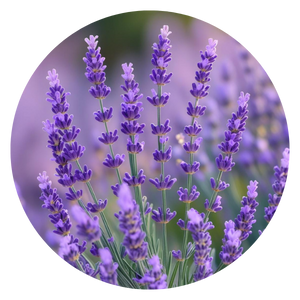
Lavender remains one of the most extensively studied essential oils in aromatherapy. Numerous studies have demonstrated its effectiveness in reducing anxiety and improving sleep quality. Its delicate scent influences the production of serotonin and GABA, neurotransmitters associated with relaxation and well-being.
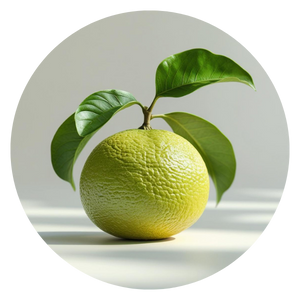
Bergamot essential oil, with its fresh, lemony scent, has proven to be particularly effective at reducing cortisol, the stress hormone. Clinical studies have shown that just 15 minutes of exposure to this oil can significantly reduce anxiety levels.
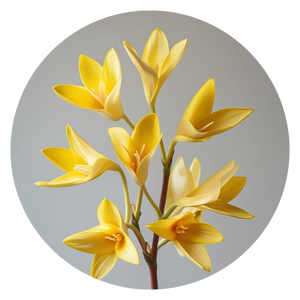
Ylang-ylang, with its exotic floral scent, acts on the parasympathetic nervous system, promoting a state of calm and deep relaxation. It is particularly valued in treatments for post-traumatic stress.
Boost energy and concentration
Not all scents are soothing. Some essences have remarkable stimulating properties. Rosemary, for example, improves cognitive performance and memory. Its herbaceous, penetrating scent increases blood flow to the brain and optimizes oxygenation of neurons.
Peppermint, with its refreshing and invigorating scent, combats mental fatigue and improves concentration. It is particularly effective at combating afternoon energy slumps and maintaining alertness during prolonged intellectual tasks.
Citrus fruits, particularly lemons and grapefruit, have energizing and antidepressant properties. Their tangy, uplifting scent stimulates the production of dopamine and norepinephrine, neurotransmitters associated with motivation and pleasure.
The Impact on Mood Disorders
Recent research points to promising prospects for the use of aromatherapy in the treatment of mood disorders. Certain essential oils have effects comparable to those of mild antidepressants, without the side effects of medication.
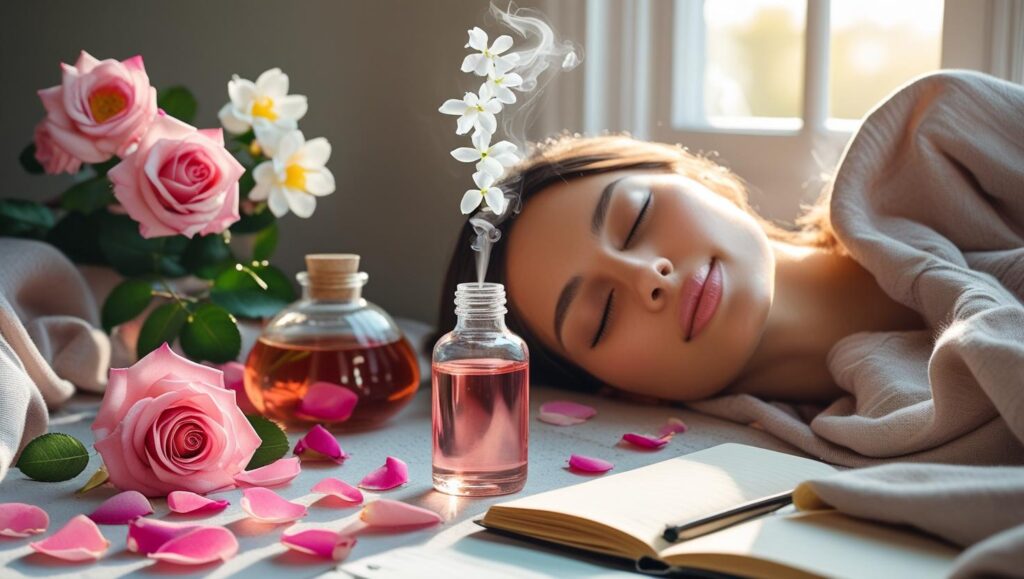
Rose essential oil, with its delicate and sophisticated fragrance, has documented antidepressant properties. It acts on the hypothalamic-pituitary axis, regulating the production of hormones related to mood and stress.
Jasmine, often called “the natural antidepressant,” stimulates the production of endorphins and serotonin. Its intoxicating and sensuous fragrance helps combat mild depression and boosts self-esteem.
Practical Therapeutic Applications
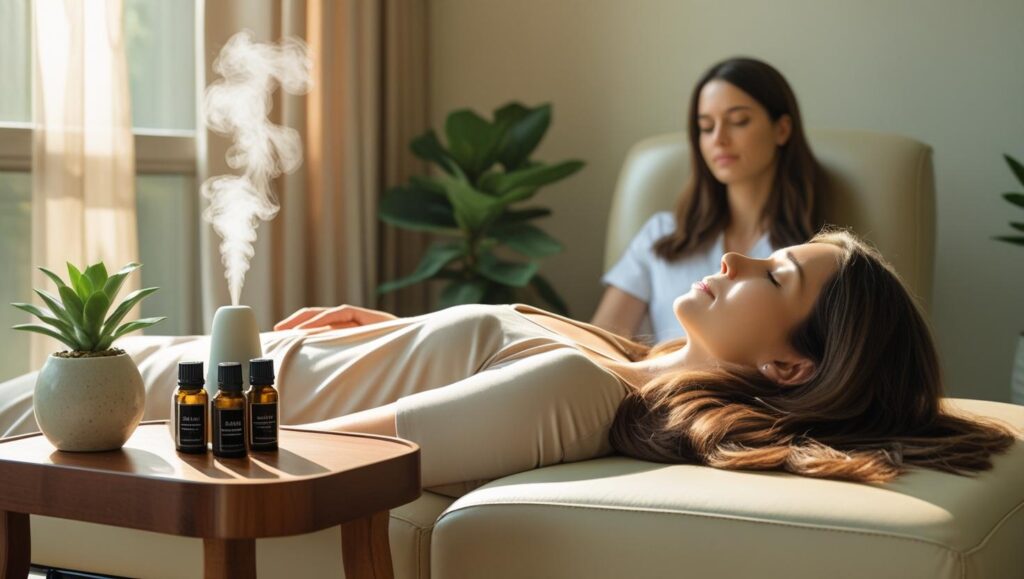
Aromatherapy is now used in many therapeutic settings. Hospitals are gradually incorporating the use of essential oils into their care protocols, particularly in oncology and palliative care, where they help manage anxiety and improve patients’ comfort.
In psychiatry, aromatherapy complements traditional treatments for anxiety disorders, mild depression, and sleep disorders. It provides patients with tools for emotional self-regulation that they can use on their own.
Therapists also use aromatherapy to create therapeutic environments that promote relaxation and emotional openness. Diffusing appropriate essential oils can facilitate psychotherapy sessions and strengthen the therapeutic alliance.
Precautions and Responsible Use
Despite their natural origin, essential oils are not without risks. Some may cause allergic reactions, skin irritation, or drug interactions. It is essential to follow the recommended dosages and consult a qualified professional before beginning aromatherapy treatment.
The quality of essential oils is crucial to their therapeutic effectiveness. It is important to choose pure, organically grown essential oils that have been properly stored. Counterfeit or poor-quality products may not only be ineffective but may also pose health risks.
Toward Growing Scientific Recognition
Research in aromatherapy is experiencing remarkable growth. Neuroscience now allows us to better understand the mechanisms by which aromatic molecules act on the brain. This in-depth knowledge paves the way for more targeted and personalized therapeutic applications.
The future of aromatherapy may well lie in the development of “therapeutic fragrances” specifically designed to treat specific conditions. These innovative formulations would combine traditional knowledge with the latest scientific discoveries.
Aromatherapy reminds us that healing doesn’t always require complex molecules or sophisticated technologies. Sometimes, all it takes is a scent—a plant essence—to touch our soul and awaken our natural healing abilities.
In our modern world, which is often disconnected from nature, aromatherapy invites us to reconnect with our senses and recognize their therapeutic power. It teaches us that self-care can be as simple as consciously breathing in a scent that makes us feel good.
Aromatherapy is not a passing fad, but a rediscovery of ancient wisdom validated by modern science. It offers us simple, accessible, and effective tools to improve our daily well-being and take care of our mental health. In this holistic approach to health, scents become valuable allies in healing the soul and bringing harmony to the mind.